What is Web Application Software
Web application software runs in browsers and delivers interactive, cloud-based services without installation. It uses frontend and backend technologies to create scalable, secure solutions. Understanding web apps helps businesses choose the right tools for growth and digital transformation.
 Babar Al-Amin

Web application software lets users access programs through a web browser instead of installing them. These apps run on remote servers and deliver services over the internet. From online banking to email, web applications power everyday tasks. They are popular because they work across devices and update automatically. In this article, we will explore what web application software is, how it works, and why it matters today. Let’s dive in.
Key Takeaways
- Web application software runs in a browser and is hosted on remote servers.
- It supports interactive features and real-time user tasks.
- Web apps offer cross-device access, easy updates, and scalability.
- Common types include static, dynamic, PWAs, and SPAs.
- Web apps rely on frontend, backend, databases, and APIs.
- Security measures like HTTPS, authentication, and input validation are essential.
What is Web Application Software?
Web application software, often called a web app, is application software that runs on a remote server and is accessed through a web browser like Chrome or Firefox. Unlike traditional programs that must be installed on your device, web applications work online, so users can access them from any device with internet and a browser.
They use a client-server model where the browser sends requests to a server, and the server processes them and sends back responses. Web apps combine front-end and back-end technologies to provide interactive experiences without local installation.
How Web Application Software Works
Web application software operates using a client-server model. When you open a web app in your browser, your device (the client) sends a request to a remote server. The server processes this request, retrieves or updates data, and sends back a response.
The browser then displays the updated page or information. Most web apps use a combination of frontend (HTML, CSS, JavaScript) for user interaction and backend (server languages and databases) to handle logic and storage. This setup allows web apps to run smoothly without installation.
Benefits of Web Application Software

Web application software offers flexible access, easy updates, and strong scalability. The following are some of the core benefits of web application software:
Accessibility Across Devices
Web applications can be accessed from any device with an internet connection and a browser. Users don’t need to install software on their computers or phones. This flexibility supports remote work and improves user convenience. As long as the user has a stable connection, the web app remains available anytime.
Cross-Platform Compatibility
Web apps work across multiple operating systems, including Windows, macOS, Android, and iOS. Developers build them once, and users access them on different devices without compatibility issues. This reduces development time and lowers costs. Cross-platform support also helps businesses reach a broader audience quickly.
Easy Updates and Maintenance
Updates to web apps happen on the server, so users automatically get the latest version without downloading patches. This simplifies maintenance and ensures everyone uses the same software version. Developers can fix bugs or add features instantly, improving user experience and reducing support requests.
Scalability for Growing Users
Web applications can scale easily to support more users as a business grows. Cloud hosting and server upgrades allow the app to handle increased traffic without major changes. This makes web apps ideal for startups and expanding companies. Scalability ensures consistent performance even during peak usage.
Reduced Local Storage Needs
Web apps store data on remote servers instead of local devices. This saves storage space on users’ computers and smartphones. It also makes data backup easier and reduces the risk of losing important files. Central storage supports better collaboration and secure data management.
Types of Web Application Software

The following are the types of web application software:
Static Web Applications
Static web applications deliver fixed content that does not change based on user actions. These sites are built using HTML and CSS and often load quickly because they don’t rely on complex backend systems. Static apps are ideal for simple business pages, portfolios, or informational sites where content updates are infrequent. Since they don’t need server-side processing, they are easier to build and maintain, but they lack interactivity.
Dynamic Web Applications
Dynamic web applications generate content in real time based on user interactions and data. These apps connect to databases and use server-side logic to customize pages for each user. Examples include e-commerce platforms, social networks, and online dashboards. Dynamic apps are more complex to develop but offer better functionality and personalization. They allow users to log in, update information, and access content tailored to their preferences.
Progressive Web Apps (PWAs)
Progressive Web Apps (PWAs) combine web and mobile app features to deliver fast, engaging experiences. PWAs work in web browsers but can also be installed on devices like native apps. They support offline access, push notifications, and quick loading, even with slow connections. PWAs reduce development costs because they use a single codebase for both web and mobile. Many businesses choose PWAs to improve user engagement and performance.
Single Page Applications (SPAs)
Single Page Applications (SPAs) load a single HTML page and update content dynamically without full page reloads. This creates a smooth, app-like experience that feels fast and responsive. SPAs rely heavily on JavaScript frameworks such as React, Angular, or Vue. Examples include Gmail and Google Maps. SPAs improve performance and user experience but require strong frontend development and careful SEO planning due to dynamic content loading.
Web App vs Website
A website is a collection of web pages that mainly share information, like blogs or company profiles. A web application is a software program accessed through a browser, designed for interaction and tasks, like email or online banking. While websites focus on content delivery, web apps focus on user actions and real-time functionality.

Technologies Behind Web Apps
Web applications rely on a mix of frontend and backend technologies. Let’s take a closer look:
1. Frontend Technologies (HTML, CSS, JavaScript)

Frontend technologies build the visual part of web apps that users interact with. HTML structures the content, CSS styles the layout and design, and JavaScript adds dynamic behavior. Together, they create responsive interfaces that work across devices.
Frontend development focuses on user experience, navigation, and interaction. Modern web apps often use libraries like jQuery or frameworks such as React to improve performance and simplify coding.
A strong frontend ensures fast loading, smooth animations, and intuitive usability, which helps retain users and improve overall satisfaction.
2. Frontend Frameworks (React, Angular, Vue)
Frontend frameworks simplify building complex web applications by offering reusable components and structured coding patterns. React is popular for building fast, component-based interfaces and is widely used in modern web apps.
Angular provides a complete framework with built-in tools for large applications. Vue offers flexibility and ease of learning, making it ideal for small to medium projects.
These frameworks help developers manage state, handle routing, and update content efficiently without reloading pages. Using a frontend framework improves development speed, maintainability, and user experience.
3. Backend Technologies (Node.js, Python, Java, PHP)
Backend technologies power the server-side of web apps. They handle user requests, process data, and manage business logic. Node.js allows JavaScript to run on the server, enabling fast and scalable applications.
Python (often with Django or Flask) is favored for its simplicity and strong community support. Java is known for reliability in large enterprise systems, while PHP remains popular for web development due to its ease of use and wide hosting support.
The backend also handles authentication, security, and communication with databases, making it essential for any web app.
4. Backend Frameworks
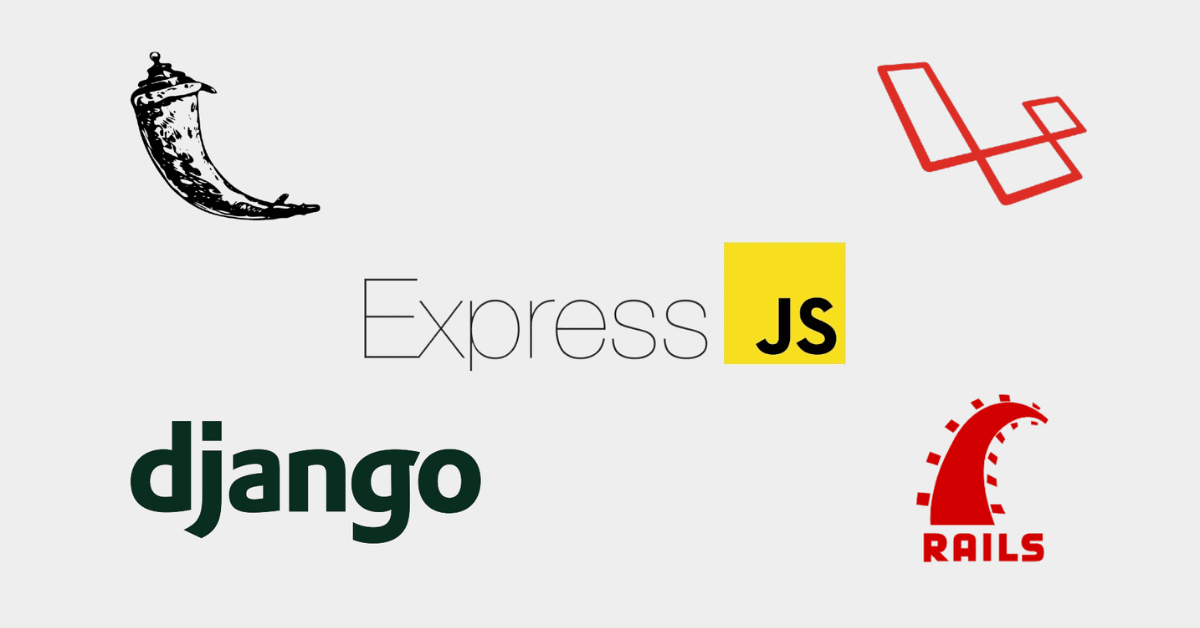
Backend frameworks provide structure and tools to build server-side applications faster and more securely. Express is a lightweight Node.js framework that simplifies routing and middleware management.
Django (Python) offers a complete package with built-in authentication, admin panels, and ORM for database management. Spring (Java) is powerful for enterprise-level applications, providing robust security and scalability features.
These frameworks reduce repetitive coding, support organized project structure, and improve maintainability. Using a backend framework speeds up development and helps developers build reliable and scalable web applications.
5. Databases (MySQL, PostgreSQL, MongoDB)
Databases store and manage data for web applications. MySQL is a widely used relational database known for stability and speed. PostgreSQL is a powerful relational database with advanced features like complex queries and strong data integrity.
MongoDB is a NoSQL database that stores data in flexible, JSON-like documents, making it ideal for applications with rapidly changing data structures. Databases ensure data is organized, searchable, and secure.
They also support transactions, user accounts, and content management, which are crucial for dynamic web apps like e-commerce platforms and social networks.
6. APIs (REST, GraphQL)
APIs (Application Programming Interfaces) enable communication between different parts of a web app or between separate systems. REST APIs use standard HTTP methods to access and manipulate data, making them easy to use and widely supported.
GraphQL allows clients to request only the data they need, reducing over-fetching and improving performance. APIs connect the frontend and backend, enabling features like user authentication, data retrieval, and third-party integrations.
They also allow web apps to communicate with external services such as payment gateways, social media, and analytics tools, making the app more functional and scalable.
Security Consideration
Web application security is essential because these apps often store sensitive user data. Developers must protect applications from data breaches, unauthorized access, and cyber attacks. Use strong authentication, such as multi-factor authentication, to verify users.
Encrypt data in transit with HTTPS and at rest using secure encryption methods. Validate user inputs to prevent SQL injection and cross-site scripting. Keep libraries and software updated to reduce vulnerabilities.
Regularly perform security testing, including vulnerability scans and penetration testing. Following these best practices helps maintain trust and protect user information.
Need a Custom Web Application? WorkerLab Can Help
Looking to build a powerful web application that boosts your business performance? WorkerLab specializes in custom web application development, creating scalable, secure, and user-friendly software tailored to your needs. From web portals and business automation tools to customer-facing apps, we use modern technologies and clean coding practices.
If you want a reliable web app that fits your workflow and grows with your company, WorkerLab is ready to help. Contact us today and turn your idea into a working web application.
Conclusion
Web application software powers many modern online services by combining web browsers, servers, and databases. It offers accessibility, scalability, and easy updates, making it ideal for businesses and users. Understanding web apps helps you choose the right tools for digital growth. If you need a custom web application, WorkerLab can build a secure, scalable solution tailored to your needs.